
Pruning
Tree Pruning
Tree Surgeon Bradford delivers a straightforward and reliable approach to pruning, ensuring each tree receives the care it needs to stay healthy and well-shaped. Our team carefully evaluates the condition and natural structure of every tree before starting any work, allowing us to identify which branches should be removed and which should remain. This helps reduce overcrowding, improves airflow and light exposure, and prevents potential structural problems while keeping the tree’s natural appearance intact.
We understand the importance of proper tree pruning in reducing hazards and keeping outdoor areas safe. Overgrown, weakened, or storm-damaged branches can pose risks, so our specialists use proven techniques to remove them safely without unnecessarily straining the tree. Every step is carried out with precision and respect for the tree’s long-term health, encouraging stronger and more controlled growth.
Our professional
tree pruning service is tailored to meet a variety of needs, whether you want to enhance your trees' appearance, address safety concerns, or support healthier growth. We focus on efficient work, tidy results, and dependable service, ensuring minimal disruption and maximum care. With the right tools and expert knowledge, we provide long-lasting solutions that support safer, healthier, and more attractive trees.
Get a Free Quote
Tree Surgeon Bradford leads
What is Tree Pruning?
Pruning is the careful removal of selected branches to improve a tree’s structure, health, and overall appearance. This process focuses on removing dead, weakened, or poorly positioned growth so the tree can develop more strongly and more balanced. By reducing overcrowding and allowing more light and air to reach the remaining branches, pruning supports healthier growth and lowers the risk of future issues such as breakage or disease. Tree Surgeon Bradford uses this method to help trees maintain their natural form while ensuring they remain safe and manageable throughout the year.
Proper
tree pruning also plays an essential role in preventing hazards around homes, gardens, and commercial spaces. Overgrown or damaged branches can become unstable, especially during strong weather, creating unnecessary risks. By addressing these problem areas and guiding the tree’s growth, the process promotes long-term stability and reduces future maintenance needs. With careful planning and skilled technique, pruning helps create stronger trees that look better, live longer, and remain safer in any outdoor setting.
Benefits of Tree Pruning
Regular tree pruning offers significant benefits for the health, appearance, and long-term stability of your trees. By removing dead, damaged, or overcrowded branches, the tree can focus its energy on stronger, healthier growth. This improves the overall structure of the tree, allowing more sunlight and airflow to reach its inner branches, thereby reducing the likelihood of disease and decay. Pruning also enhances the tree’s natural shape, making it look more balanced and attractive while supporting a more stable framework that can better withstand changing weather conditions.
Tree pruning also plays a significant role in keeping outdoor spaces safe and functional. Overgrown limbs can become hazardous when left unattended, posing risks to people, buildings, and vehicles. By addressing these issues early, you reduce the chances of falling branches and improve visibility and clearance around pathways, gardens, and structures. Tree Surgeon Bradford carries out this work with precision and care, ensuring each cut supports long-term safety and tree vitality. With regular pruning, your landscape stays tidy, secure, and easier to maintain year-round.
Pollarding Trees
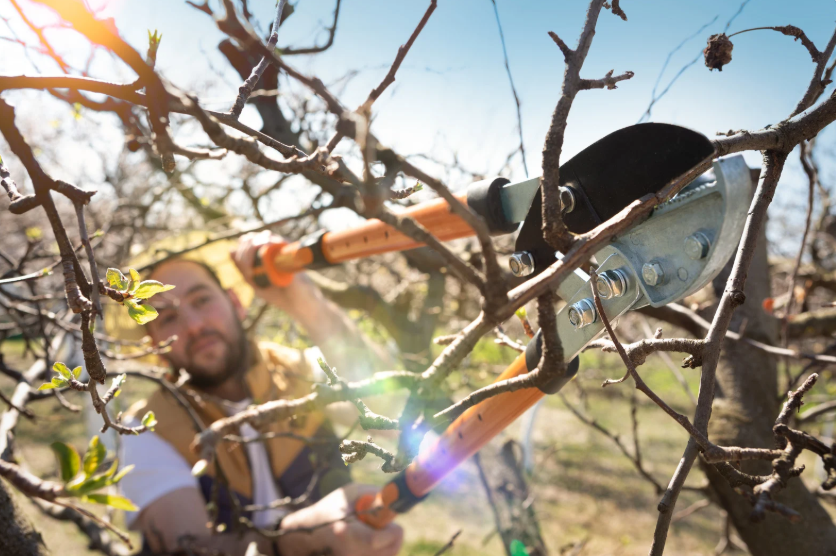
Tree Surgeon Bradford offers expert
pollarding to manage tree size, control growth, and maintain a safe, tidy outdoor environment. This method involves cutting back selected branches to a consistent point, encouraging fresh, controlled regrowth while preventing trees from becoming too large or unmanageable. By focusing on structure and long-term stability, pollarding supports healthier development and helps maintain a balanced, uniform shape that suits both residential and commercial settings. Our approach to
pollarding trees ensures each tree is handled with precision and care, using techniques that promote vigorous new growth without causing unnecessary stress. This method is beneficial for trees near pathways, boundaries, or areas requiring regular maintenance. By managing height and spread, pollarding reduces the risk of overextended branches and improves overall safety. With professional care and consistent maintenance, your trees remain attractive, manageable, and well-suited to the surrounding landscape.
How Much Does Tree Pruning Cost?
The tree pruning cost can vary depending on several important factors, including the size of the tree, its condition, the level of access, and the type of work needed to achieve a safe and healthy outcome. Larger or more complex trees may require additional time, specialist equipment, or careful planning to ensure the job is completed correctly. Tree Surgeon Bradford considers all these elements when assessing a project, offering guidance that reflects the specific needs of each tree rather than relying on general estimates. This approach ensures clarity while supporting informed decisions for any garden pruning requirements.
Another key factor that affects pricing is the experience and skill of the
tree pruners performing the work. Professional pruning demands an understanding of tree structure, growth habits, and safe cutting techniques to ensure the tree remains strong and healthy afterwards. Skilled specialists can identify potential risks, work around obstacles, and protect surrounding areas while completing the job efficiently. Choosing a qualified team provides confidence that the work will be handled responsibly and to a high standard, whether it involves routine maintenance or more detailed
pruning services.
Tree Pruning vs. Tree Trimming: What’s the Difference?
Understanding the difference between pruning and trimming helps ensure your trees receive the care they need for their health, safety, and appearance. Both practices serve a purpose, but each delivers different results depending on the tree's needs and the landscape.
Tree Pruning
Pruning focuses on improving a tree's long-term health, safety, and structure. Through tree pruning, selected branches are removed to address issues such as dead or diseased wood, overcrowding, or weak limbs that may pose a risk. This method uses precise and strategic cuts to enhance airflow, light penetration, and overall tree stability, promoting stronger future growth and a more natural, balanced shape. Pruning can be carried out at various times of the year depending on the tree species and desired results, and it is closely related to techniques like hedge pruning, which also helps guide healthy, controlled growth.
Tree Trimming
Tree trimming, on the other hand, is mainly used to manage a tree’s outward appearance, shape, and size. A
tree trim service typically focuses on keeping trees neat, well-shaped, and clear of structures, pathways, or areas where branches may interfere. This approach generally removes overgrown or unwanted limbs to maintain a tidy, manageable canopy, emphasising aesthetics and clearance rather than greater structural improvements. While trimming keeps the landscape looking orderly, it does not provide the same targeted health benefits as pruning, making it essential to choose the right method based on your goals.
Both methods contribute to a safer, healthier, and more visually appealing outdoor space. By recognising the difference between them, you can choose the most effective approach for your trees and landscape needs. For professional guidance and reliable results, Tree Surgeon Bradford is here to help—get in touch with our team today.
When To Prune Trees?
Knowing when to prune trees is essential for maintaining healthy, strong, and well-shaped growth. While the ideal timing depends on the species and the purpose of the work, choosing the correct season helps minimise stress and encourages better development. With changing conditions throughout the year, understanding when to prune each tree type ensures safer, healthier landscapes and more reliable results for long-term tree care.
- Pruning Apple Trees: Prune fruit trees, such as apples, in late winter to early spring, before new growth starts. This supports strong structure, better airflow, and successful crops through effective fruit tree pruning.
- Palm Tree Pruning: Palm pruning is best done in spring or early summer when active growth helps the tree recover more efficiently.
- Pruning Peach Trees: Peach trees should be pruned in late winter or very early spring to remove damaged or crowded branches and help increase fruit yield.
- Pruning Plum Trees: Plum trees are generally pruned in mid to late summer to reduce disease risk and improve the quality of future growth.
- Pruning Pear Trees: Pear trees benefit from pruning in late winter to early spring, improving shape, airflow, and fruiting potential.
- Pruning Olive Trees: Olive trees are typically pruned in late winter to early spring to maintain a balanced canopy and encourage healthy new fruiting wood.
- Pruning Maple Trees: Maple trees are best pruned in late summer or early autumn to avoid heavy sap flow and maintain a clean, strong form.
- Pruning Walnut Trees: Walnut trees are ideally pruned in mid-summer to reduce the risk of sap bleeding and keep structural growth balanced.
- Pruning Willow Trees: Willow species benefit from pruning in late winter to early spring to manage rapid growth and maintain safe structure.
- Pruning Pine Trees: Pine trees should be pruned in late spring or early summer when new shoots are soft and easier to shape without harming the tree.
- Pruning Evergreen Trees: Evergreens can be pruned in late winter to early spring or early summer, helping maintain shape and promote dense, healthy foliage.
- Pruning Orange Trees: Though less common locally, orange trees are pruned in late winter to early spring to shape the canopy and remove non-productive growth.
- Pruning Cherry Trees: Cherry trees are best pruned in mid-summer to reduce the risk of disease and improve airflow around the canopy.
- Pruning Fig Trees: Fig trees benefit from pruning in late winter to early spring to shape new growth and prevent overcrowding.
- Pruning Hazel Trees: Hazel trees are typically pruned in late winter to early spring to maintain shape and encourage productive shoots.
- Pruning Hawthorn Trees: Hawthorn pruning is usually carried out in late winter or early spring to support healthy structure and flowering.
- Pruning Beech Trees: Beech trees and beech hedges are pruned in late summer or early autumn to maintain shape and encourage dense growth.
- Pruning Cherry Laurel: Cherry laurel can be pruned in late spring or early summer to control size and maintain tidy hedging.
By pruning each tree at the right time, you encourage healthier growth, a stronger structure, and a more visually appealing landscape. Using the proper pruning cutter and techniques ensures pruning branches is done safely and effectively, especially when the goal is to prune fruit trees for better productivity. For expert advice and reliable seasonal care tailored to local tree varieties, Tree Surgeon Bradford is ready to help with all your pruning needs.