Safe Tree Trimming: Essential Safety Tips for Every Homeowners
Caring for trees is a valuable responsibility for homeowners, and understanding how to do it safely can help avoid accidental injuries, property damage, and long-term harm to healthy vegetation. While many people feel confident about basic outdoor maintenance, working at height with sharp tools and heavy branches is a task that must be approached responsibly.
This guide provides detailed safety practices and preparation methods to help homeowners carry out tree work with confidence.
Preparing for the Job – Planning, Assessment, and Tool Selection
Before lifting a saw or climbing a ladder, the most important step is thoughtful planning. Take time to examine the size, structure, and condition of the branches you intend to cut. Weak or diseased branches behave unpredictably when pressure is applied, which means they can break earlier than expected. Always observe wind conditions and weather forecasts to avoid working during high winds or rain. Ground stability matters too; unstable soil can cause ladders to shift under load.
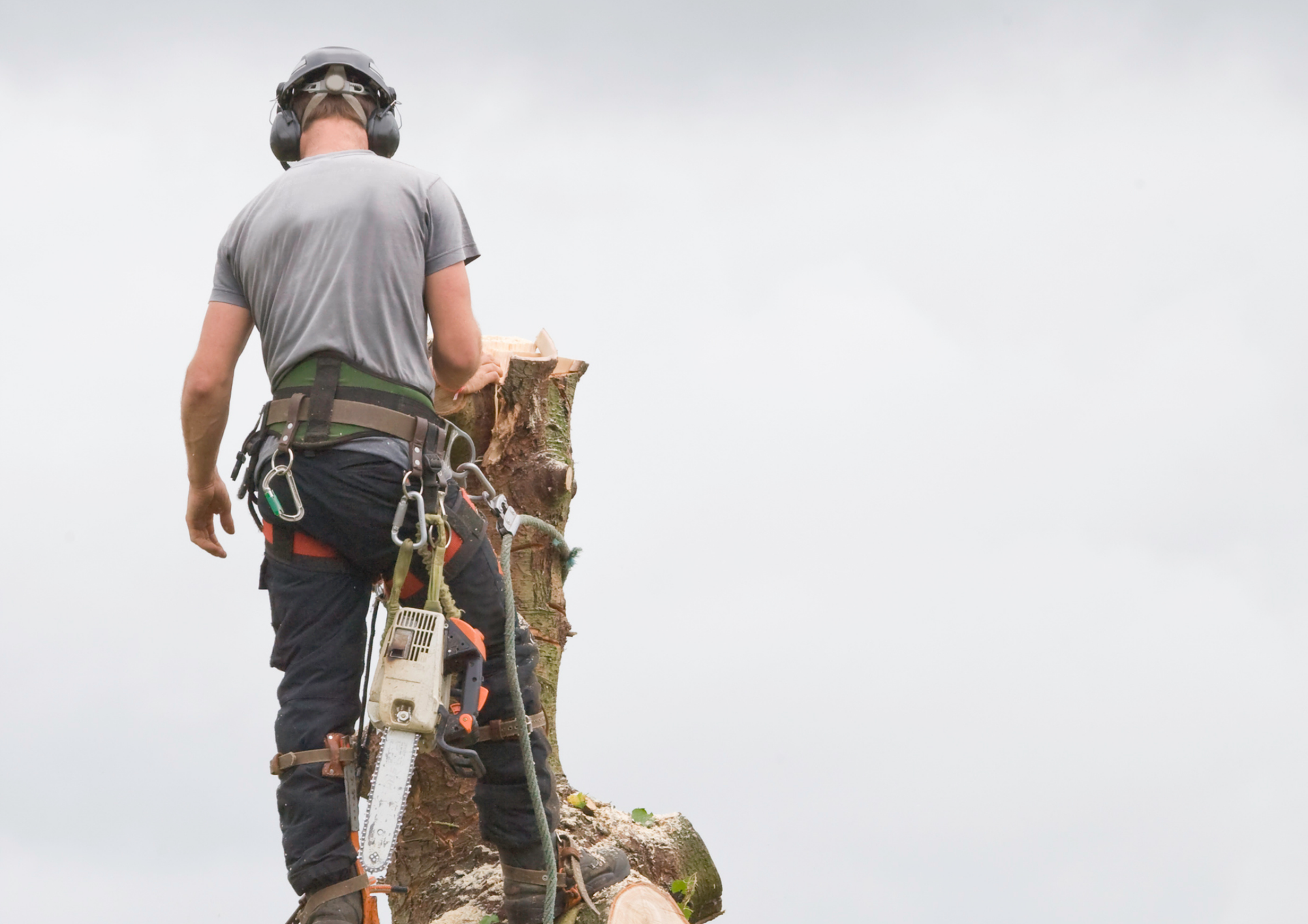
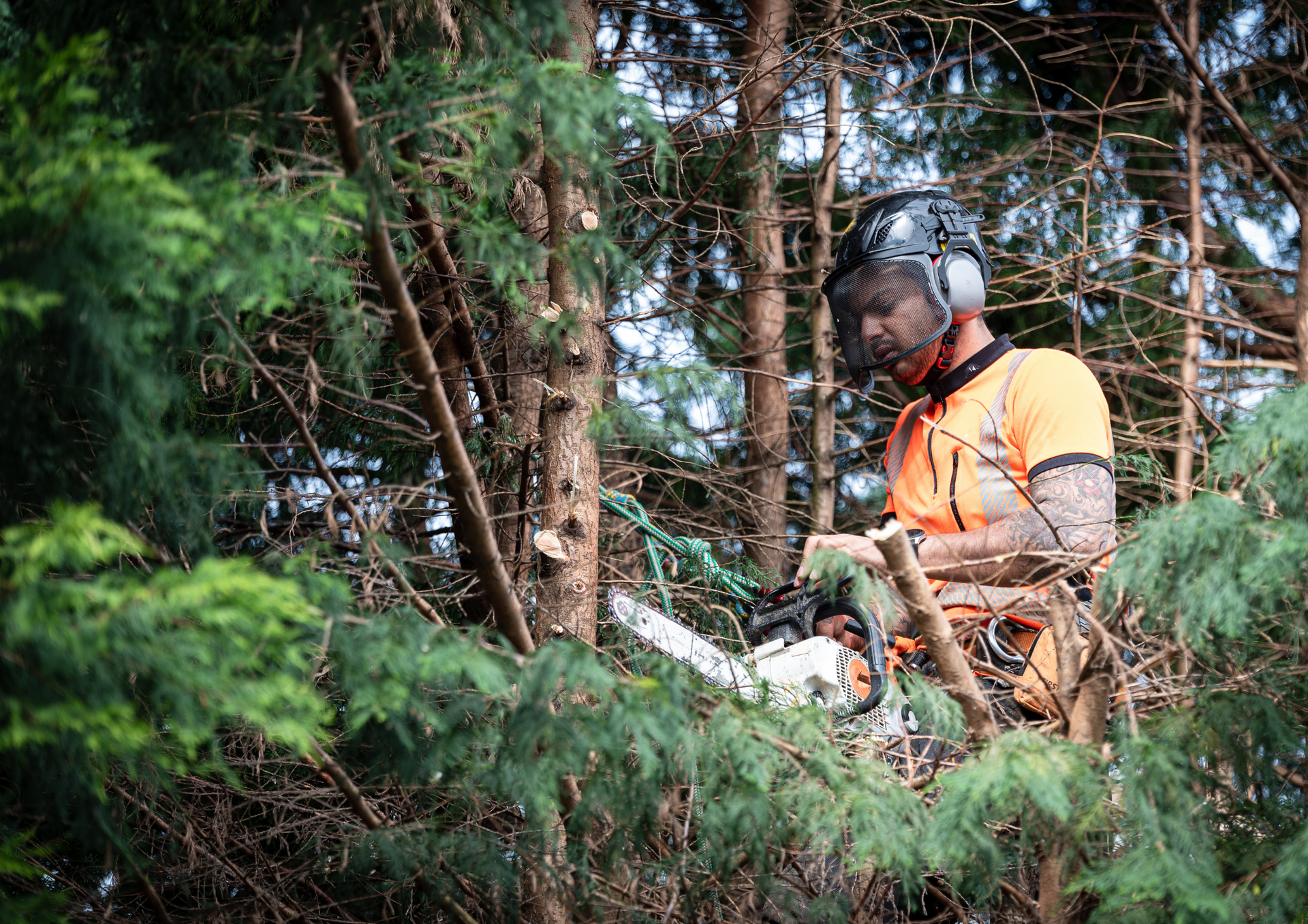
Once the environment is safe, gather the correct protective gear: gloves with solid grip, long sleeves, safety goggles, and rigid footwear. A hard hat is also recommended when working under large branches. Tools must be sharp and well-maintained, because dull equipment requires more force, increasing the likelihood of slips and accidents. Though the main topic of this guide focuses on tree trimming, safety begins long before the cutting itself. When homeowners prepare properly, they reduce risk while improving the quality of the finished result.
When seeking external assistance for bigger projects, some people begin by searching for tree trimming near me. This search is especially useful for those dealing with thick, high, or storm-damaged branches that need precision cutting. Local contractors can arrive quickly and already understand typical regional tree species and growth patterns, making them capable partners when safety concerns arise.
Safe Cutting Techniques – Height, Balance, and Correct Method
Every cut must be controlled. Before climbing, inspect ladders and scaffolding for damage, loose joints, or corrosion. Ladders should be placed at a stable angle and supported by level ground, ideally secured by another person to prevent unexpected shifting. Never stand on the top step, even for a moment, as high centre-of-gravity movement increases the chance of a fall. If the branch you intend to cut is not easily reachable from a ladder, use an extendable pruner rather than trying to stretch or lean beyond a safe point.
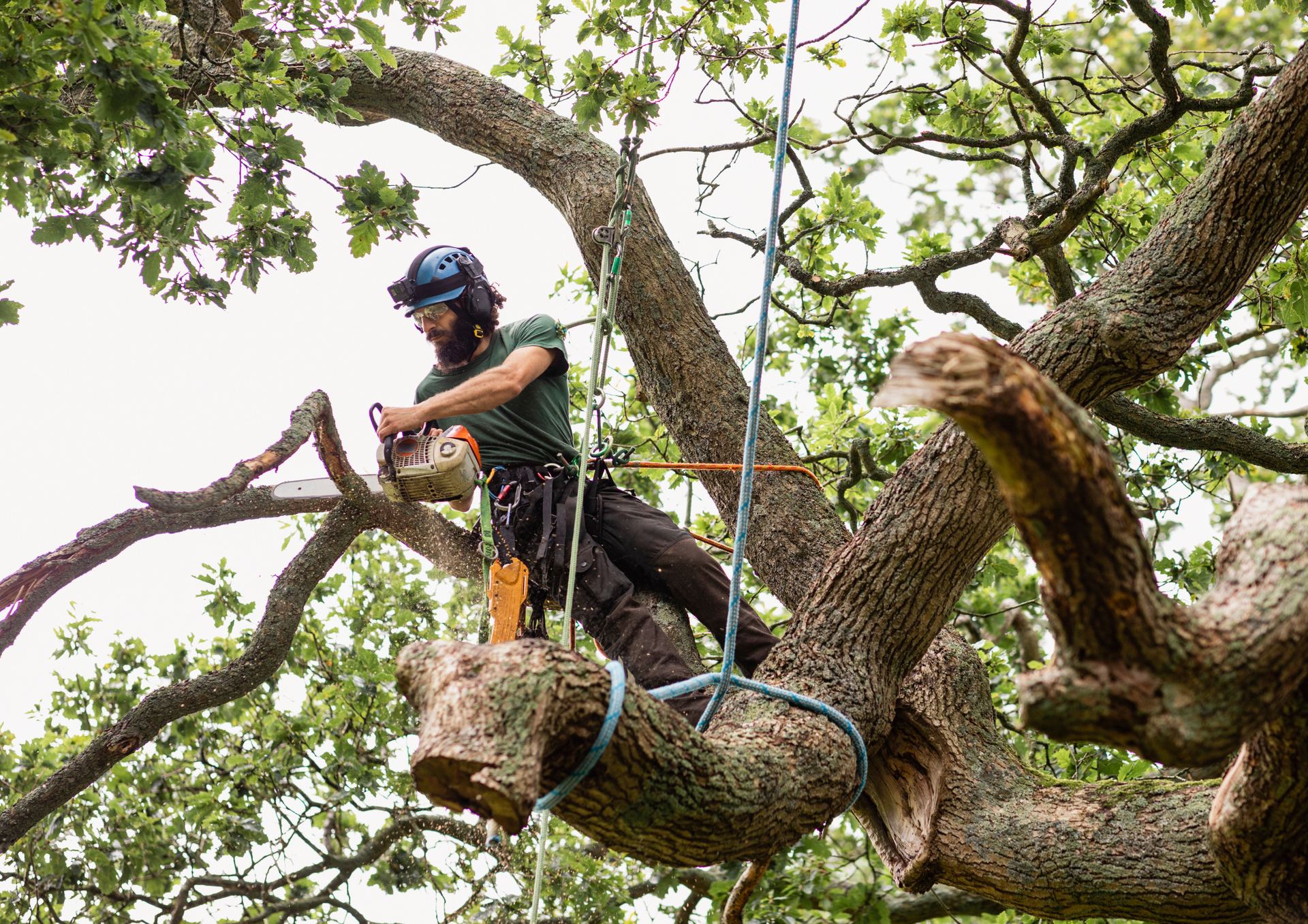
When cutting branches, make small relief cuts first to prevent sudden splitting. A controlled three-step cut—undercut, top cut, final separation—allows the branch to fall away without tearing bark or injuring the person below. Always be aware of where a branch may land; even a modest limb can weigh enough to cause significant damage if mishandled. Take breaks if fatigue sets in, as tired muscles reduce reaction times, making accidents more likely.
Many homeowners consider booking a tree cutting service for complex shaping and canopy reduction. Recognising when technique surpasses personal ability is a safety skill in its own right. Expert cutting reduces strain on trees, promotes natural growth, and prevents dangerous overhangs that might fall during storms. A skilled professional also works faster, which means properties remain safer without long periods of partial limb removal or open debris.
Risk Awareness – Electrical, Structural, and Weather Hazards
Branches and tools behave unpredictably around power lines. If any part of the tree stretches towards electrical wiring, do not attempt the work yourself. Even a small slip can lead to dangerous contact between sap-filled wood and high-voltage supply. Step back, assess the hazard zone, and consider calling specialist help. Scout the area for sheds, fences, and garden furniture that could be damaged by falling timber. A good technique is to tie off branches before cutting so they can be lowered gradually rather than left to drop freely.
Wind is another invisible risk. A calm morning can change in minutes, so avoid working on stormy or gust-heavy days. Secure loose clothing that may catch on bark or tools. Children and pets should be kept indoors until work is finished. Communication also matters; if you are working with a partner, agree on signals to request help or warn of movement before anyone begins cutting. Many accidents happen because two people misjudge timing or direction.
Homeowners sometimes realise that the safest choice is to contact a tree removal service when dealing with decaying trunks or branches that lean dangerously over roofs. Removal is significantly more technical than small pruning tasks, as trees must be dismantled in stages, and the weight of each section must be considered. Rotten cores are particularly high-risk because they can collapse under a climber’s weight without clear visual warning. If a tree poses a threat to structures, removal should always involve trained professionals.
The financial aspect is another consideration. People often ask about tree trimming cost, and while prices vary depending on tree height, accessibility, and labour hours, most professionals are happy to provide straightforward estimates. Investing in safe work now may save homeowners far more in repairs later. View cost not just as a monetary figure but as an investment in property safety and long-term plant health.
Responsible Tree Care – Long-Term Health, Growth, and Sustainability
Good tree trimming supports ecosystems by encouraging healthier growth. When too many branches are removed, trees struggle to photosynthesise, weakening their natural structure and exposing them to disease. Only prune what is necessary, focusing on dead limbs, crossing branches, and light canopy thinning to encourage air circulation. Using clean tools prevents bacteria transfer between trees, especially those with fungal infections. Disinfect blades after each cut to reduce the spread of disease.
Seasonal timing is also important. Many trees respond best to pruning during dormant months, but some species prefer summer work to minimise sap bleed. Research individual species or consult an arborist for personalised advice. Over-pruning is a common mistake; homeowners sometimes believe that more cutting means better shape, but excessive removal leads to shock and reduced growth. Small, regular maintenance is always safer and more effective than heavy, infrequent shaping.
Responsible maintenance encourages biodiversity. After cutting, gather and recycle branches sustainably—use wood chips for mulch, compost thin trimmings, and dispose of thicker limbs through responsible facilities. This approach reduces waste and benefits surrounding garden plants. After all, tree care is not only about cutting; it covers long-term stewardship that respects natural growth cycles and contributes to a stable, healthy environment.
Undertaking tree work requires preparation, awareness, and respect for natural forces. From assessing trees before cutting to using proper equipment, handling ladders responsibly, and identifying when professional intervention is the safest choice, homeowners can protect themselves while maintaining beautiful landscapes. Practising controlled cuts, watching for electrical hazards, and preventing over-pruning all contribute to a safer, healthier outdoor space. Safe tree trimming is not just a task—it’s a method of care that supports long-term growth and preserves property value. With thoughtful planning and awareness, homeowners can manage trees confidently without compromising on personal safety or plant wellbeing. Those who feel uncertain or face complex structural challenges should consider specialist help, ensuring a secure and professional finish.
Tree Surgeon Bradford provides reliable, expert-led services for homeowners who value long-term health and safety across their outdoor spaces. We combine industry knowledge with practical field experience to ensure every branch is cut cleanly, efficiently, and without risk to property. Our trained team handles complex canopy work, large tree sections, and removal tasks with precision, using equipment designed for safe, responsible pruning. Whether you’re planning routine maintenance, dealing with storm damage, or considering full removal, you can trust us to deliver a careful approach that respects both landscape and structural integrity. Contact us today for support, guidance, and professional results carried out with care.
Just out on X:
Tree trimming safety made simple – top tips for homeowners!
You might also like