How a Local Tree Surgeon Helps Manage Overgrown Trees in Gardens
Trees are an important part of any garden, providing shade, privacy, natural beauty, and environmental benefits. However, without appropriate maintenance, even healthy trees can become excessively large, develop overcrowded branches, or interfere with nearby structures. Overgrown trees may restrict natural light, affect neighbouring vegetation, and create practical challenges for homeowners who want to maintain safe and attractive outdoor spaces.
Managing excessive tree growth requires more than simply cutting back branches. Different species have particular growth patterns, structural characteristics, and pruning requirements. Removing too much foliage or making cuts in unsuitable locations can weaken a tree, affect its appearance, and increase its vulnerability to disease or structural problems.
A professional local tree surgeon helps property owners understand how to manage overgrown trees without compromising their long-term health. Through careful assessment, selective pruning, and responsible maintenance, trained specialists can improve canopy structure while preserving the natural character of established trees.
For homeowners, landlords, and property managers in Bradford, maintaining garden trees is particularly important where outdoor spaces are limited or mature trees grow close to buildings, boundaries, and neighbouring gardens. Understanding when professional attention is appropriate can help prevent unnecessary damage and support a more manageable landscape.
Understanding the Problems Caused by Overgrown Garden Trees
Trees naturally increase in height and spread as they mature. Although this growth is generally beneficial, problems can develop when a tree becomes too large for its surroundings or when branches extend into areas where they create practical difficulties.
In residential gardens, excessive growth may reduce usable outdoor space, overshadow smaller plants, or interfere with fences, sheds, and other structures. These issues can become particularly noticeable when a tree has not received appropriate maintenance for several years.
However, size alone does not necessarily make a tree dangerous. A mature tree with a broad canopy may remain structurally sound, while a smaller tree with significant decay or weak branch attachments could present a greater concern. Professional assessment helps distinguish between normal growth and conditions requiring attention.
Common Problems Associated with Excessive Growth
Property owners should consider several potential issues when assessing trees that have become difficult to manage:
- Reduced natural light: Dense canopies may prevent sufficient sunlight from reaching lawns, flowerbeds, patios, and nearby windows, affecting garden usability and plant growth.
- Overextended branches: Long or heavily loaded limbs may require assessment, particularly where they extend above roofs, driveways, footpaths, or frequently used outdoor areas.
- Restricted access: Low-hanging branches can obstruct garden paths, entrances, parking areas, and spaces used for routine property maintenance.
- Boundary concerns: Branches extending into neighbouring gardens may create disagreements about maintenance responsibilities, particularly where trees have been allowed to grow without regular attention.
- Competition with surrounding plants: Large trees may compete with shrubs, hedges, and smaller vegetation for available sunlight, water, and soil nutrients.
- Accumulated deadwood: Dead or damaged branches within an established canopy may create avoidable hazards, especially above areas regularly occupied by people.
- Interference with structures: Branches rubbing against roofing materials, gutters, fences, or outbuildings may cause gradual wear or damage
.
Recognising When Professional Assessment Is Needed
Not every overgrown tree requires immediate pruning. Some species naturally develop broad canopies, while others benefit from minimal intervention once established.
The important consideration is whether the tree's current condition presents a genuine problem for safety, access, structural stability, or the surrounding landscape.
Homeowners searching for tree surgery near me may be concerned about excessive shading, branches extending towards buildings, or changes in a tree's appearance. A professional inspection can establish whether selective pruning, ongoing monitoring, or another management approach would be most appropriate.
Visible warning signs deserve particular attention. These may include recently developed cracks, substantial dead branches, fungal growth around the trunk, or unexpected movement near the root plate.
A tree that suddenly leans following strong winds should also be treated differently from one that has grown naturally at an angle over many years. Early assessment allows property owners to understand the condition of their trees before making decisions about cutting or removal.
Why Delaying Maintenance Can Create Further Difficulties
Allowing trees to grow without considering their surroundings can make future maintenance more complicated. Branches may eventually extend above buildings or neighbouring land, restricting access and increasing the complexity of pruning operations. Dense growth may also conceal structural defects that become more difficult to identify from ground level.
Delayed attention does not automatically mean that a tree will become unsafe. However, routine observation and appropriate maintenance can help identify developing problems before they require more extensive intervention.
For gardens containing several mature trees, a planned approach can also prevent unnecessary cutting by identifying which specimens genuinely require attention.
Professional Techniques for Managing Overgrown Trees
Effective management begins with understanding the tree's species, age, condition, and location. Professional arborists consider how a tree has developed and how different pruning methods may influence future growth.
The objective is not necessarily to make every tree smaller. Instead, suitable work should address specific concerns while preserving as much healthy structure as reasonably possible.
Common Techniques Used in Garden Tree Maintenance
Different situations require different approaches. Professional specialists may recommend:
- Crown reduction: Selectively shortening suitable branches to reduce the height or spread of a canopy while retaining a balanced, natural appearance.
- Crown lifting: Removing selected lower branches to improve clearance above pathways, driveways, garden seating areas, or other regularly used spaces.
- Crown thinning: Selectively removing smaller branches where appropriate to improve canopy structure without substantially changing the tree's overall dimensions.
- Deadwood removal: Identifying and removing dead or structurally compromised branches where they present an unacceptable risk to people or property.
- Formative pruning: Guiding the development of younger trees by addressing poorly positioned branches and potential structural weaknesses before they become more significant.
- Selective branch reduction: Shortening individual branches that interfere with buildings, boundaries, or other features without unnecessarily altering the entire canopy.
- Structural pruning: Managing competing stems, weak attachments, or other growth characteristics that may affect the tree's long-term stability.
- Planned maintenance: Establishing an appropriate inspection and pruning schedule based on the tree's condition, species, and surrounding environment.
Why Correct Pruning Methods Matter
Incorrect pruning can create problems that are more difficult to resolve than the original overgrowth. Excessive cutting may remove a substantial proportion of the foliage needed for photosynthesis. This can reduce the tree's energy reserves, encourage weakly attached regrowth, or leave large wounds vulnerable to decay.
Heavy topping is particularly concerning because it removes major sections of the canopy without adequately considering the tree's natural structure.
Responsible pruning generally involves making suitable cuts at appropriate branch junctions, avoiding unnecessary damage to retained tissue, and limiting the amount of living growth removed.
The appropriate technique depends on the species and condition of the tree. Some tolerate reduction relatively well, while others respond poorly to substantial pruning.
Choosing Suitable Professionals for the Work
Property owners comparing local tree surgeons in my area should consider practical experience, relevant training, working methods, and the ability to explain proposed maintenance clearly.
A competent specialist should assess the tree before recommending substantial work. They should also explain why particular branches require attention and whether the proposed intervention is likely to achieve the intended result.
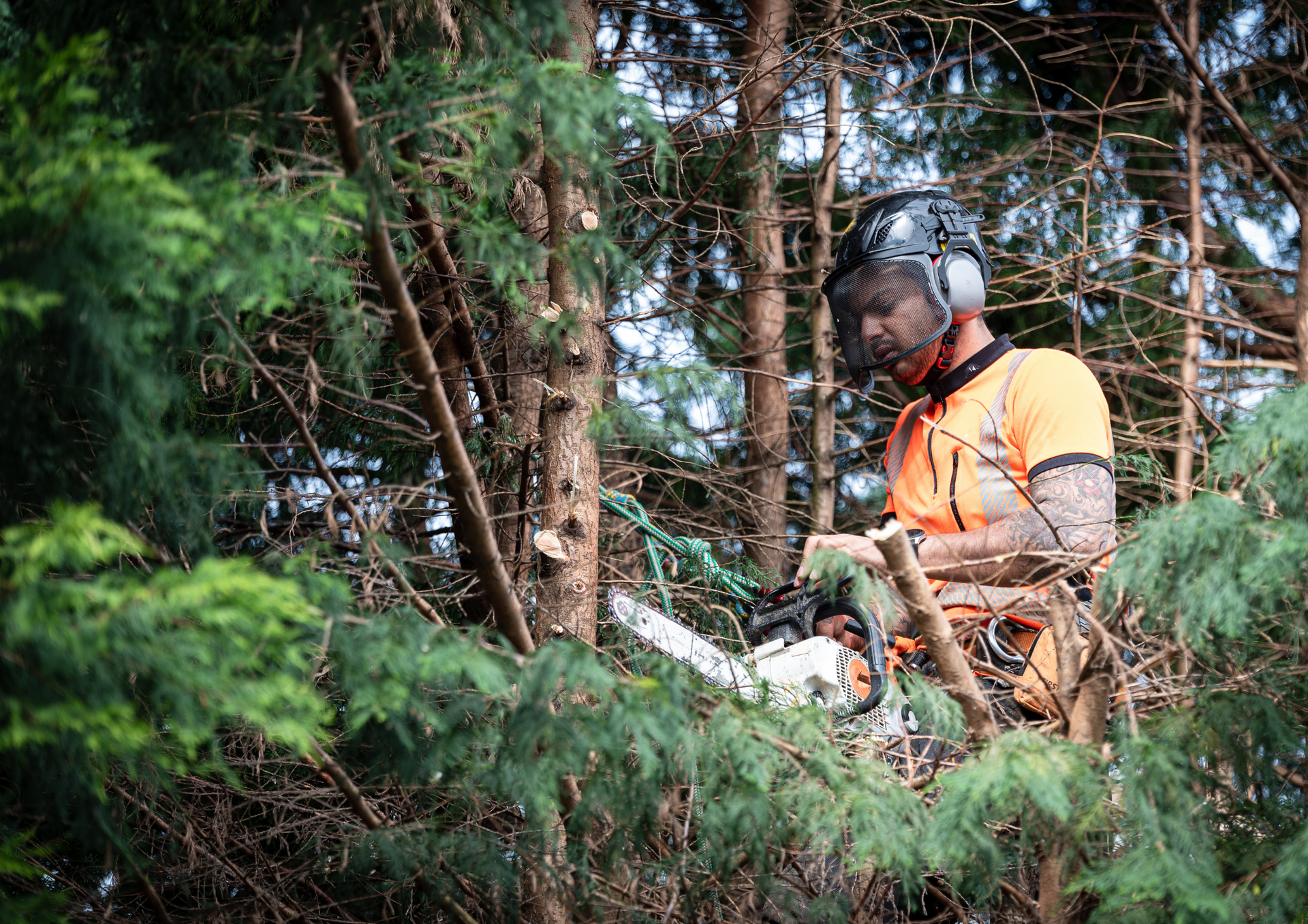
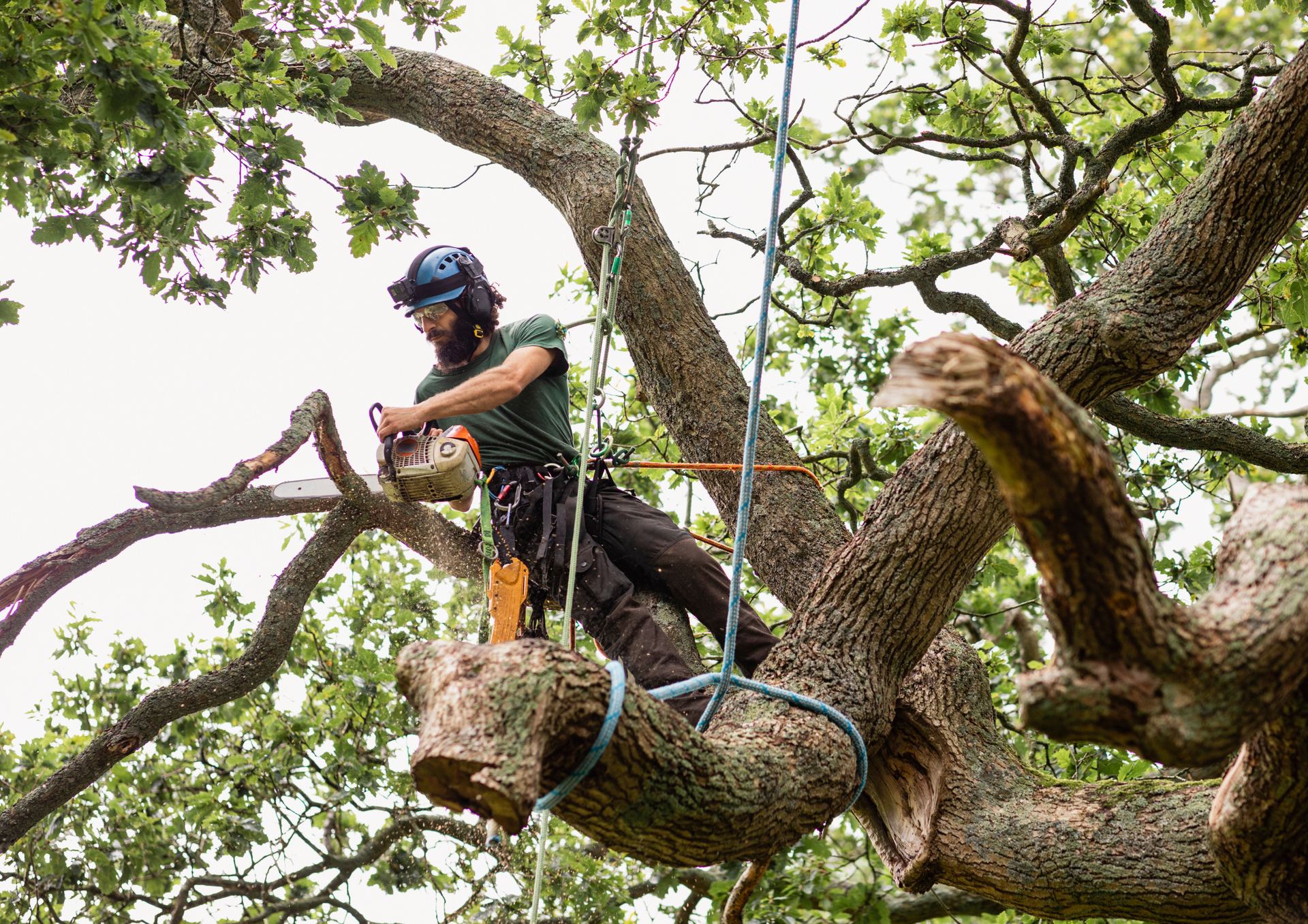
For larger trees, the work may require climbing equipment, specialist access platforms, or controlled lowering techniques. The suitability of these methods depends on site access, tree condition, and nearby obstacles.
Where trees are protected by a Tree Preservation Order or situated within a conservation area, additional checks may be necessary before work begins.
Professional planning helps ensure that maintenance addresses genuine concerns without unnecessarily compromising the tree's health or appearance.
Planning Garden Tree Maintenance for Long-Term Results
Managing overgrown trees should be viewed as an ongoing responsibility rather than a one-off task. Although occasional pruning may be sufficient for some species, others require more regular observation because of their location, growth characteristics, or proximity to buildings. A thoughtful maintenance plan helps property owners anticipate future requirements and avoid unnecessary interventions.
Assessing the Tree and Its Surroundings
Before deciding what work should be carried out, it is important to consider the relationship between the tree and the surrounding garden. A mature tree growing in a large open space may have sufficient room to develop naturally. The same species growing beside a small patio, boundary wall, or neighbouring property may require a more carefully managed approach.
An assessment should consider the condition of the trunk, the distribution of major branches, available rooting space, and signs of previous damage. Soil conditions are also relevant. Compacted ground, poor drainage, and repeated disturbance around the roots can affect tree health and resilience.
For gardens containing several trees, assessments should consider how individual canopies interact. Removing or heavily reducing one tree may expose neighbouring trees to different wind conditions or alter the amount of available sunlight.
Understanding the Importance of Seasonal Timing
The most suitable time for pruning depends on the species, purpose of the work, and condition of the tree. Some maintenance is best carried out during periods of reduced growth, while certain species may benefit from pruning at different times to minimise stress or excessive sap bleeding.
Seasonal wildlife activity must also be considered. In the UK, active wild bird nests are legally protected, so work must be planned to avoid unlawful disturbance.
Other protected species, including bats, may also be associated with mature trees. Features such as cavities, splits, and loose bark can require further consideration before work begins.
Professional local tree surgery involves balancing practical maintenance requirements with seasonal conditions, tree biology, and environmental responsibilities. This helps ensure that work is undertaken at an appropriate time and with suitable precautions.
Avoiding Unnecessary Removal
An overgrown tree does not automatically need to be felled. In many circumstances, selective pruning can resolve problems involving excessive shading, restricted access, or branches extending towards structures.
Retaining healthy mature trees can preserve valuable shade, wildlife habitat, landscape character, and environmental benefits that would take many years to replace.
However, preservation should not override genuine safety concerns. Where a tree has substantial structural defects, severe decline, or an unacceptable risk that cannot reasonably be managed, removal may need to be considered.
A balanced assessment helps property owners understand the available options without assuming that either cutting or retention is always the correct choice.
Creating a Practical Maintenance Schedule
An effective schedule should reflect the needs of the individual tree rather than relying on an identical pruning interval for every specimen. Young trees may benefit from formative attention, while established trees often require periodic inspection and selective intervention only when justified.
Property owners can support this process by observing changes in canopy density, branch condition, and general growth throughout the year. After storms, checking for obvious damage from a safe distance can also help identify whether further assessment is necessary.
Maintaining records of previous inspections and pruning work provides useful information when reviewing the tree's condition in future years. This organised approach supports consistent care and reduces the likelihood of repeated, unnecessary cutting.
Protecting Property Safety and Garden Health Through Responsible Care
Overgrown trees can affect more than the appearance of a garden. Their condition may influence how safely outdoor spaces can be used, how surrounding plants develop, and how effectively property owners maintain nearby structures. Responsible management therefore involves considering both immediate concerns and the long-term consequences of any proposed work.
Maintaining Safe Outdoor Spaces
Gardens are frequently used for relaxation, recreation, and everyday household activities. Branches extending above seating areas, children's play spaces, or frequently used pathways deserve particular attention when assessing potential hazards. A professional inspection can identify deadwood, structural defects, or other conditions that may require intervention.
However, tree risk should be considered proportionately. The presence of a large branch above a garden does not automatically mean that it is unsafe. The condition of the branch, likelihood of failure, and frequency of use beneath it are all relevant when deciding whether work is necessary.
Protecting Buildings and Boundaries
Trees growing close to houses, garages, sheds, or boundary structures may require occasional management to maintain appropriate clearance.
Branches that repeatedly contact roofing materials or gutters can contribute to wear, while low growth may obstruct access for building maintenance. Root-related concerns should be assessed carefully rather than assuming that every nearby tree is responsible for structural movement.
Ground conditions, soil type, foundation design, and other environmental factors can all influence the relationship between trees and buildings.
Professional advice helps distinguish between genuine problems and situations where unnecessary cutting could damage an otherwise healthy tree.
Supporting Healthy Growth and Biodiversity
Good garden management should consider the wider environment as well as individual trees.m Mature trees provide shelter and feeding opportunities for birds, insects, and other wildlife. Their canopies can also influence temperature, moisture retention, and growing conditions within the garden.
Responsible tree surgery aims to address necessary maintenance while retaining valuable natural features wherever reasonably possible.
For example, selective pruning may improve access or reduce specific hazards without removing large sections of healthy growth.
Deadwood can also have ecological value. Where it does not create an unacceptable risk, retaining suitable deadwood may support wildlife and biodiversity. Balancing safety with environmental considerations helps create outdoor spaces that remain practical and ecologically valuable.
Making Informed Decisions About Future Work
The most effective garden maintenance decisions are based on evidence rather than assumptions about how a tree should look.
Property owners should understand the purpose of proposed pruning, the likely response of the tree, and whether alternative approaches are available.
Clear communication with a professional helps establish realistic expectations. Crown reduction, for example, may manage excessive spread, but it does not permanently stop a tree from growing.
For property owners in Bradford and elsewhere, careful planning provides a practical foundation for maintaining attractive, manageable, and safer gardens.
Overgrown garden trees require thoughtful management to maintain their health, appearance, and suitability within the surrounding landscape. Although excessive growth can create concerns involving shade, access, neighbouring properties, and structural stability, not every large tree requires substantial pruning or removal.
The most effective approach begins with understanding the tree's condition and identifying the specific problems that need attention. Selective pruning, appropriate seasonal timing, and ongoing monitoring can often resolve practical concerns while preserving valuable mature trees.
Consulting a professional local tree surgeon is particularly important when dealing with large branches, restricted access, or visible structural defects. Their expertise helps identify suitable techniques, minimise unnecessary damage, and support the tree's long-term development.
By taking a proactive and responsible approach, homeowners, landlords, and property managers can maintain outdoor spaces that remain functional, attractive, and environmentally valuable. Regular observation, informed decisions, and carefully planned maintenance provide lasting benefits for both individual trees and the wider garden.
Tree Surgeon Bradford provides professional tree care solutions for homeowners, landlords, and property managers throughout Bradford and surrounding areas. We understand that managing overgrown garden trees requires careful assessment, practical planning, and an approach that respects the natural characteristics of each tree.
Our focus is on helping property owners make informed decisions about pruning, canopy management, structural concerns, and ongoing maintenance. We recognise that every garden presents different challenges, from restricted access and neighbouring boundaries to mature trees requiring particularly careful attention.
As a dependable local tree surgeon, we prioritise clear communication, responsible working methods, and practical solutions that support long-term tree health. Whether you need help managing excessive growth or advice on maintaining established trees, our aim is to protect people, property, and the natural landscape through professional, considered care.
Check out our latest X update exploring how a
local tree surgeon helps manage overgrown trees, maintain garden safety, and support healthy tree growth!
You might also like