Tree Surgeon Costs for Large Trees, Small Trees and Garden Work
Professional tree care can range from straightforward pruning in a domestic garden to complex work involving mature trees, restricted access, specialist equipment, and careful dismantling. Because every site and tree is different, there is rarely one standard price that applies to every job.
Understanding tree surgeon costs can help homeowners, landlords, property managers, and other landowners plan work more confidently. Rather than looking at price alone, it is useful to understand what goes into a quotation, why a large mature tree generally requires more resources than a small garden tree, and how access or waste management can influence the overall amount charged.
In Bradford, as in other locations across the UK, professional arborists may undertake anything from routine pruning and crown management to tree felling, hedge maintenance, stump work, and general garden tree care. The scale of the job, condition of the tree, working environment, and equipment required all contribute to the final quotation.
What Determines the Price of Professional Tree Work?
No two tree care projects are exactly alike. Even two trees of the same species and approximate height can require very different approaches depending on their condition, position, surrounding structures, and available working space.
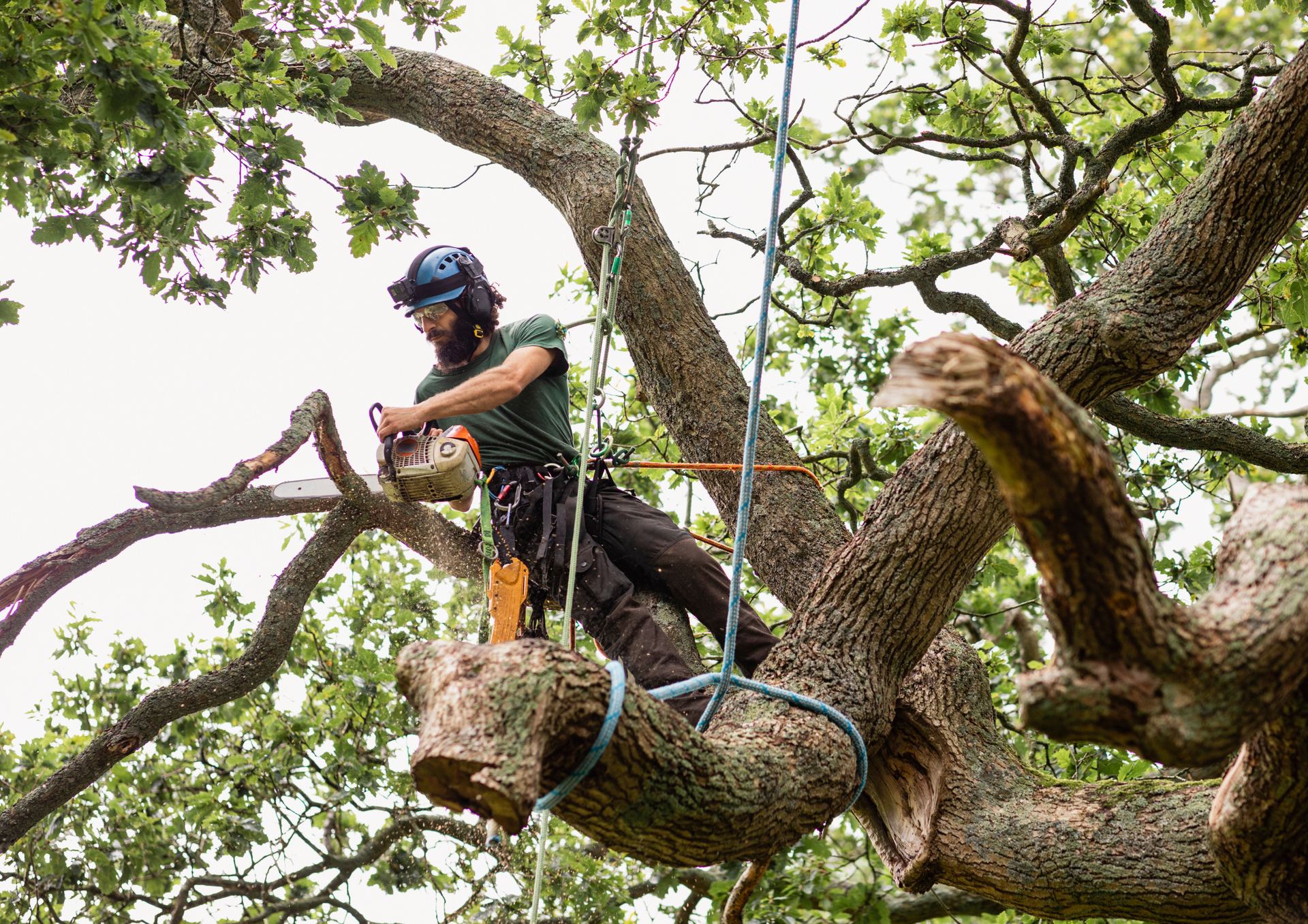
One of the biggest influences is tree size. Small trees can often be managed using relatively straightforward equipment and may require fewer people on site. Larger specimens can involve climbing, rigging, sectional dismantling, additional ground staff, and more time to process branches and timber safely.
The type of work also matters. Light pruning intended to remove a few selected branches is very different from reducing a substantial crown or dismantling an unstable tree in sections. Arborists need to assess the work required rather than simply pricing according to height.
When comparing tree surgeon prices, property owners should consider what is included within each quotation. One contractor may include debris clearance and site tidying, while another may quote separately for these tasks. Understanding the scope of work makes comparisons more meaningful than simply choosing the lowest figure.
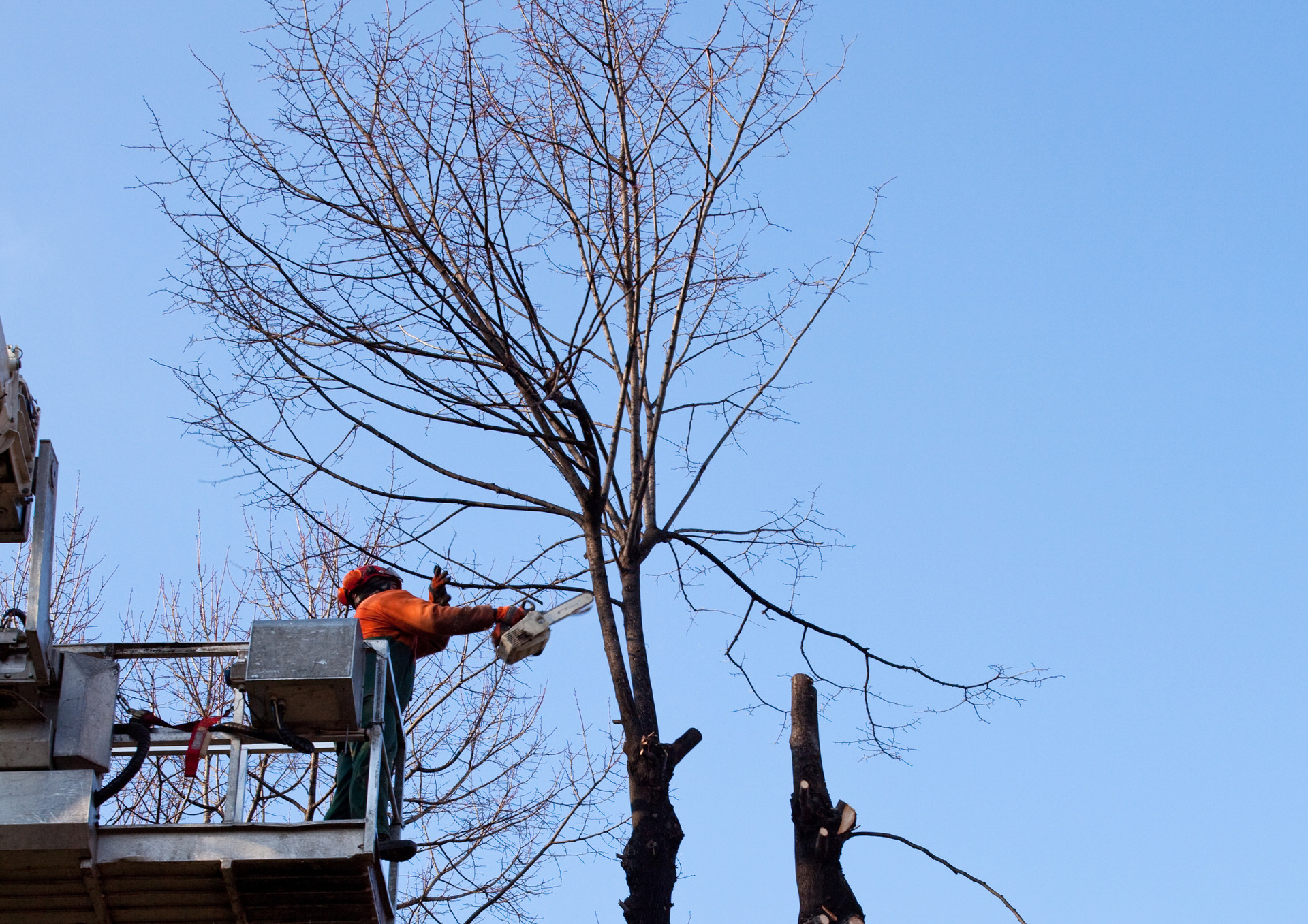
Access is another important consideration. A tree positioned in an open front garden may be relatively easy to reach, whereas one behind a terraced property could require equipment and cut material to be moved through narrow passages. Nearby conservatories, sheds, fences, roads, footpaths, or neighbouring gardens can also affect how the work needs to be organised.
Tree condition can further influence planning. Dead, diseased, storm-damaged, or structurally weakened trees may be less predictable to work on. The team may therefore need different access methods or additional precautions to complete the work safely.
The amount of material generated should also be considered. Larger branches and trunks require cutting, handling, processing, and removal where clearance forms part of the agreed work. These practical requirements all contribute to the time and resources involved.
Large Trees Compared with Small Trees
Tree size can make a substantial difference to the complexity of professional work. However, height alone does not determine the final quotation. The following factors help explain why pricing can vary between large and small trees:
- Working height: Larger trees may require climbing systems, elevated access equipment, or more complex positioning to reach the canopy safely.
- Branch size and weight: Mature limbs can be extremely heavy and may need to be lowered in controlled sections rather than allowed to fall freely.
- Canopy spread: A broad canopy extending over roofs, gardens, roads, or neighbouring land can require considerably more planning than a compact tree in an open area.
- Number of workers: Complex projects may require climbers and additional ground staff to manage ropes, branches, equipment, and the working area.
- Site restrictions: Limited access can increase the amount of manual handling required, particularly when branches and timber cannot be moved directly to a vehicle or chipper.
- Tree condition: A large tree with decay, damaged branches, or structural weakness can present additional challenges compared with a healthy specimen of similar dimensions.
- Waste volume: Mature trees naturally generate larger quantities of branches, foliage, and timber, increasing the amount of material that needs to be processed or removed.
Small trees are generally less demanding, but they are not automatically simple. A relatively modest tree positioned beside a conservatory, boundary wall, greenhouse, or utility line may still require precise techniques and careful planning.
Property owners researching tree surgeon near me prices should therefore provide as much information as possible when requesting a quotation. Photographs, approximate dimensions, access details, and a description of the required work can help professionals understand the project, although an on-site assessment may still be necessary before a firm quotation can be provided.
It is also worth considering the objective of the work. A smaller tree may only require selective pruning to remove dead or crossing branches, while a mature specimen might benefit from carefully planned crown management rather than extensive cutting. Appropriate recommendations should reflect the condition and requirements of the individual tree.
Removal, Pruning and Other Types of Tree Work
The nature of the job has a major influence on tree surgeon costs because different tasks require different levels of labour, equipment, expertise, and time. Understanding the distinction between common services can make quotations easier to interpret.
For routine pruning, the aim may be to remove selected branches, improve structural balance, manage clearance, or maintain an appropriate canopy. The amount of material removed, height of the work, and accessibility of individual branches can all affect how long the project takes.
Crown reduction can be more detailed because cuts need to be selected carefully throughout the canopy. The objective is generally to reduce overall height or spread while retaining a balanced structure. This is different from simply cutting branches back indiscriminately and requires an understanding of tree growth and pruning response.
Full removal is usually more involved, particularly when a tree cannot be felled into an open space. When assessing tree surgeon tree removal cost, factors such as trunk diameter, tree height, structural condition, available drop zone, nearby buildings, and the need for sectional dismantling can all affect the amount of work required.
Stump management is usually considered separately from taking down the above-ground portion of a tree. Property owners may decide to leave a stump where it causes no practical problem, or they may want it dealt with to make landscaping, replanting, lawn maintenance, or future use of the area easier.
Hedge cutting and general garden work can vary considerably as well. A small, regularly maintained hedge is typically more straightforward than a tall boundary hedge that has been allowed to become heavily overgrown. Access, length, height, thickness, and the quantity of cut material all influence the work involved.
Questions about tree surgery cost are therefore best answered after considering the specific task rather than relying on a generic figure. A detailed quotation should make clear what work is proposed and whether elements such as debris clearance, stump work, or additional site preparation are included.
Professional advice can also help property owners avoid unnecessary work. In some circumstances, selective maintenance may adequately address a concern without requiring extensive intervention. A careful assessment helps establish an approach that is proportionate to the tree's condition and its surroundings.
How to Understand and Compare Tree Care Quotations
Comparing quotations involves more than looking at the final figure. Property owners should understand exactly what is being proposed and whether each contractor is quoting for the same scope of work.
Useful points to check include:
- The work specified: Confirm which trees are included and exactly what pruning, reduction, felling, or maintenance has been proposed.
- Site clearance: Establish whether branches, leaves, timber, and other debris will be removed or left on the property.
- Stump work: Check whether dealing with the stump is included when a tree is being felled, as this may be a separate service.
- Access requirements: Consider whether restricted access, neighbouring property, roads, pathways, or nearby structures affect the proposed method.
- Equipment needs: Larger or more complex jobs may require climbing systems, rigging equipment, specialist machinery, or additional personnel.
- Time on site: A straightforward garden task may take relatively little time, while complex mature-tree work can require a considerably longer operation.
- Tree condition: Make sure the quotation accounts for visible decay, damaged branches, instability, or other factors that may change how the work is approached.
- Clear communication: The contractor should be able to explain the recommended work and why it is considered appropriate for the tree.
A lower quotation is not necessarily better value if it excludes important elements that another contractor has included. Equally, more extensive work is not automatically the right choice simply because it costs more. The proposed approach should be appropriate to the condition of the tree and the needs of the site.
Property owners should also consider longer-term maintenance. Regular, proportionate care can help keep trees manageable and may reduce the likelihood of larger corrective jobs becoming necessary later. This is particularly relevant for mature trees growing close to homes, boundaries, access routes, or shared spaces.
Planning tree work before it becomes urgent also provides more opportunity to consider different options. Where there is no immediate hazard, owners can discuss suitable timing, the extent of pruning required, and how the work fits with wider garden plans.
Tree Surgeon Bradford provides professional tree care for homeowners, landlords, property managers, businesses, and other property owners across Bradford and surrounding areas. We take a considered approach to each project, recognising that trees vary considerably in size, condition, position, and maintenance requirements.
Our approach focuses on careful assessment and clear communication before work begins. Rather than recommending unnecessary intervention, we consider the individual tree, its surroundings, access conditions, and the practical objectives of the property owner.
We also understand the importance of transparency when discussing tree surgeon costs. By clearly explaining the work required and the factors that influence a quotation, we aim to help customers understand their options and make informed decisions without unnecessary pressure.
Whether you need help maintaining a smaller garden tree, managing a large mature specimen, or addressing a tree that has become difficult to manage, Tree Surgeon Bradford offers practical guidance and responsible professional care tailored to the requirements of the site.
Check out our latest X update explaining
tree surgeon costs for large trees, small trees and general garden work!
You might also like