
10 Major Factors That Influence Tree Removal Costs and Budgeting
Removing a tree is often necessary for safety, structural protection, or managing the overall health of your outdoor space. Whether you’re dealing with a storm-damaged tree, long-term decay, or roots encroaching on your property, understanding the tree removal cost can help you plan ahead and avoid unexpected expenses.
Below, you’ll find 10 major factors that influence what you may pay, followed by practical budgeting advice.
1. Tree Size and Height
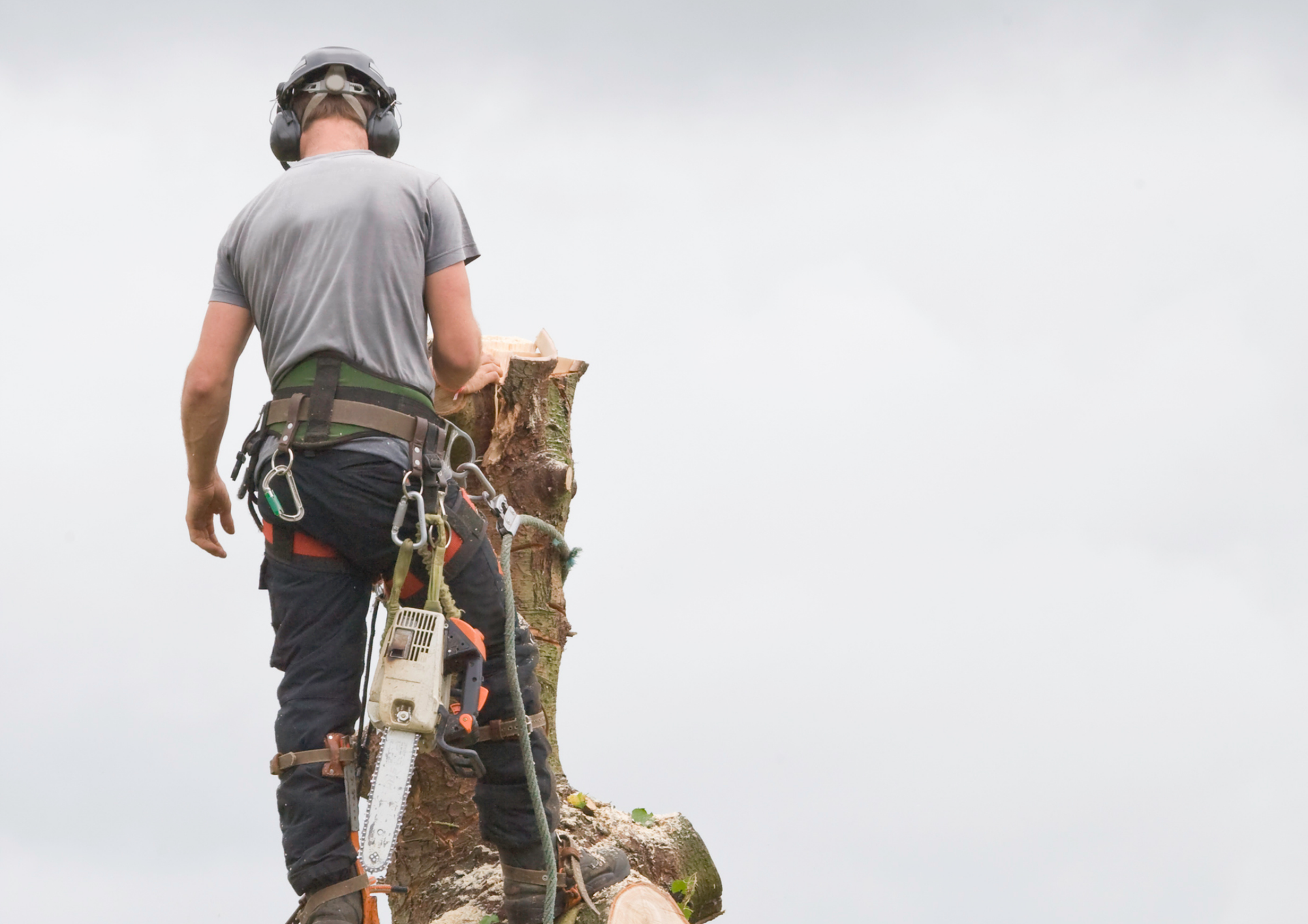
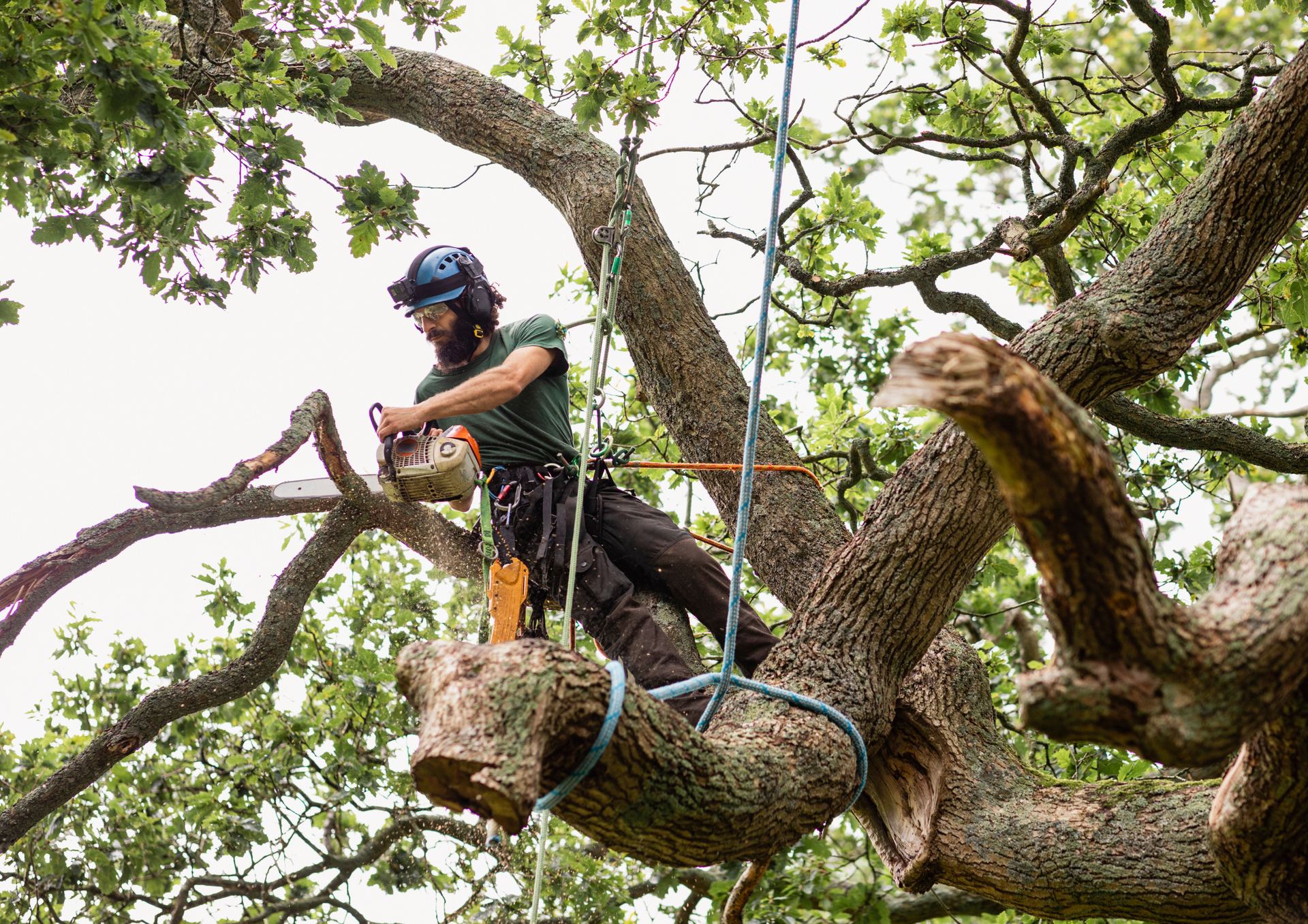
The height and width of a tree are two of the biggest determining factors in what you’ll pay. Larger trees require more time, advanced equipment, and a larger crew to remove safely. Smaller trees can usually be removed with minimal disruption, while taller trees or trees with wide crowns involve additional planning. Professionals may need climbing gear, rigging ropes, or elevated platforms, all of which increase the overall service time. It’s always worth obtaining a formal assessment to understand where your tree fits on the scale.
2. Tree Species and Wood Density
Different tree species vary significantly in weight, density, and structure. Hardwoods such as oak or beech are heavier and more labour-intensive to cut, while softer species such as birch or willow may require less time. Some species also have multiple stems or internal weaknesses that complicate the removal process. Arborists consider both the species and its natural characteristics to assess how difficult the job will be, ultimately affecting the final tree removal cost.
3. Condition of the Tree
A tree that is healthy and structurally sound can be straightforward to remove. However, one that is diseased, rotten, storm-damaged, or leaning poses additional risks. When a tree is unstable, specialists must use extra safety measures to prevent sudden collapses. This may involve section-by-section dismantling, rope-assisted lowering, or controlled felling techniques that take more time and expertise. If your tree is in poor condition, expect that to influence the overall pricing.
4. Location and Accessibility
The tree’s surroundings play a major role in determining difficulty. Trees positioned close to buildings, fences, sheds, garages, greenhouses, power lines, or public footpaths require precision and skill. Restricted access also increases complexity since equipment such as chippers, stump grinders, and trucks may need to be transported manually to the work area. Open-space removals are generally faster and more cost-effective, while tight or obstructed locations increase the labour needed.
5. Proximity to Hazards
Hazards such as cables, underground utilities, hanging branches, nearby water features, or adjoining properties require professionals to adopt careful control methods. Extra safety planning prevents accidental damage and ensures compliance with local regulations. These protective measures take time and can therefore raise the total cost.
6. Required Equipment
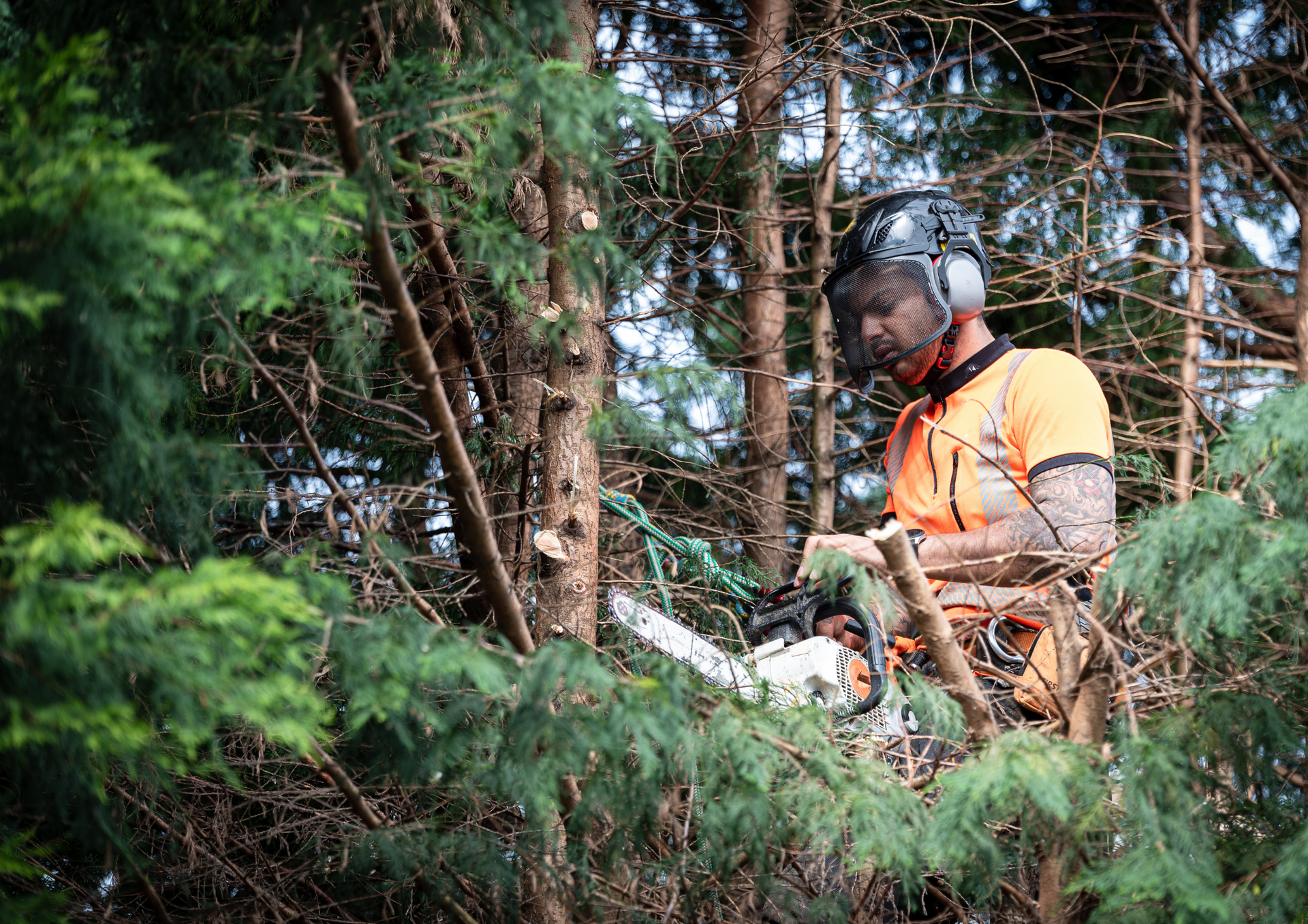
Different trees require different tools. Standard removals may only require chainsaws and climbing gear, while complex jobs might involve cranes, mobile elevated work platforms, stump grinders, or heavy-duty rigging systems. The type of equipment used directly impacts cost because it influences the efficiency, labour level, and time needed. Professional arborists always choose equipment that ensures safety while delivering the best possible outcome.
7. Clean-Up and Waste Disposal
Once a tree has been felled, the site must be cleared. Some clients prefer to keep logs for firewood, while others require full waste removal. Branches, leaves, and trunk sections can fill several loads depending on the size of the tree. Waste processing standards also vary between local areas. To keep your surroundings tidy, professional services include chipper use, debris collection, and transportation. These steps add to the project time and therefore influence final pricing.
8. Extra Services Requested
Additional tasks can add to the total. One example is the tree stump removal cost, which applies to clients who want the root system fully removed rather than cut flush. Stump grinding helps prevent regrowth, frees up planting space, and reduces trip hazards in gardens. This service requires its own machinery and expertise, making it a separate line item from standard tree removal.
Another example is when clients are curious about the cost to cut down a tree specifically, without clean-up, stump removal, or debris processing. This option may be cheaper depending on the total work involved, but it’s important to understand that the price can vary depending on the condition, size, and access to the site.
Some customers also enquire about the tree debris removal cost, which includes gathering, shredding, and transporting green waste. This fee varies based on the amount of waste generated, disposal regulations, and the distance to approved recycling centres.
Depending on the nature of your outdoor space, your project may also include pruning, trimming, site levelling, planting, or maintenance packages. Each adds to the total because of additional equipment and labour.
9. Urgency and Scheduling
Emergency call-outs, such as fallen trees or storm-related hazards, typically involve higher rates. These situations demand immediate response, often outside standard working hours, and can require more complex safety procedures. If the removal can wait for a planned appointment, your project will likely be more cost-effective. Booking during off-peak seasons can also help reduce overall expenses.
10. Local Regulations and Permissions
In many areas, trees are protected by preservation orders or conservation rules. Before removal, arborists must check whether permission is needed. Completing the necessary documentation takes time, and if access is restricted to certain hours, this may extend the timeframe of the project. Some protected species require specialist handling and careful dismantling, which adds to the planning and labour required.
Understanding the factors that influence the
tree removal cost allows you to prepare properly, avoid surprises, and make well-informed decisions. It is a significant task that involves careful assessment, planning, safety considerations, and professional equipment. By knowing what influences pricing—from tree size to accessibility and additional services—you can budget confidently and choose a reputable contractor who meets your needs. With the right guidance and support, your property will remain safe, well-maintained, and visually appealing for years to come.
Tree Surgeon Bradford offers reliable, professional, and customer-focused tree care for households and businesses. Our team is trained, experienced, and dedicated to ensuring the highest safety standards. We combine expert knowledge with modern equipment to deliver efficient, trustworthy service from start to finish. Whether you need tree maintenance, felling, stump grinding, or ongoing tree care advice, we provide personalised solutions tailored to your outdoor space. With transparent guidance, friendly support, and a commitment to quality, we make tree care straightforward and stress-free.
Update on X:
Tree removal cost – what really affects the price and your budget!
You might also like