Tree Removal for Unsafe Trees Near Public Footpaths Risk Control
Trees are a vital part of our environment, enhancing streetscapes, supporting wildlife, and improving air quality. However, when a tree becomes unstable near a public footpath, it can pose a serious risk to pedestrians, neighbouring properties, and the landowner’s legal responsibilities. In busy urban areas where foot traffic is constant, timely tree removal may be necessary to protect public safety, meet compliance requirements, and provide peace of mind.
This guide explains how unsafe trees are identified, what your legal duties may be, and how professional arborists manage risks effectively.
Understanding the Risks of Unsafe Trees Near Footpaths
Trees located close to pavements and public rights of way are exposed to a unique combination of stresses. Soil compaction from foot traffic, vehicle vibration, restricted root growth, and pollution can all weaken a tree over time. Add seasonal factors such as high winds, heavy rain, or snow, and even a previously healthy tree can become hazardous.
Common warning signs include visible cracks in the trunk, fungal growth at the base, dead or overhanging branches, or noticeable leaning. In some cases, internal decay may not be visible externally, which is why professional inspections are so important. Ignoring these risks can result in falling branches or, in extreme cases, complete failure of the tree.
When a tree is assessed as posing an immediate danger, tree removal may be the most responsible course of action. This is not about unnecessary feeling, but about preventing accidents before they occur and ensuring public safety remains the top priority.
Legal Responsibilities and Duty of Care
Property owners and land managers in the UK are required to take reasonable steps to ensure trees do not pose a risk to the public. Understanding these responsibilities helps prevent accidents, legal disputes, and unnecessary emergency work.
- You have a legal duty of care to ensure trees on your land do not create an unreasonable risk to others.
- This responsibility applies whether a tree is on private land but overhangs a footpath or stands directly beside a public walkway.
- Local councils may issue safety notices for dangerous trees, but liability can still remain with the landowner if an incident occurs.
- Routine inspections and clear maintenance records demonstrate responsible tree management and can be vital if claims or disputes arise.
- Many people look for a
tree service near me to ensure assessments and works meet local conditions, council guidance, and species-specific requirements.
- Acting early reduces safety risks and helps avoid costly, disruptive emergency situations.
Professional Assessment and Safe Management Solutions
Qualified arborists, often referred to as tree surgeons, are trained to assess structural integrity, root stability, and overall tree health. Their role is to recommend the most appropriate solution based on safety, environmental impact, and long-term outcomes.
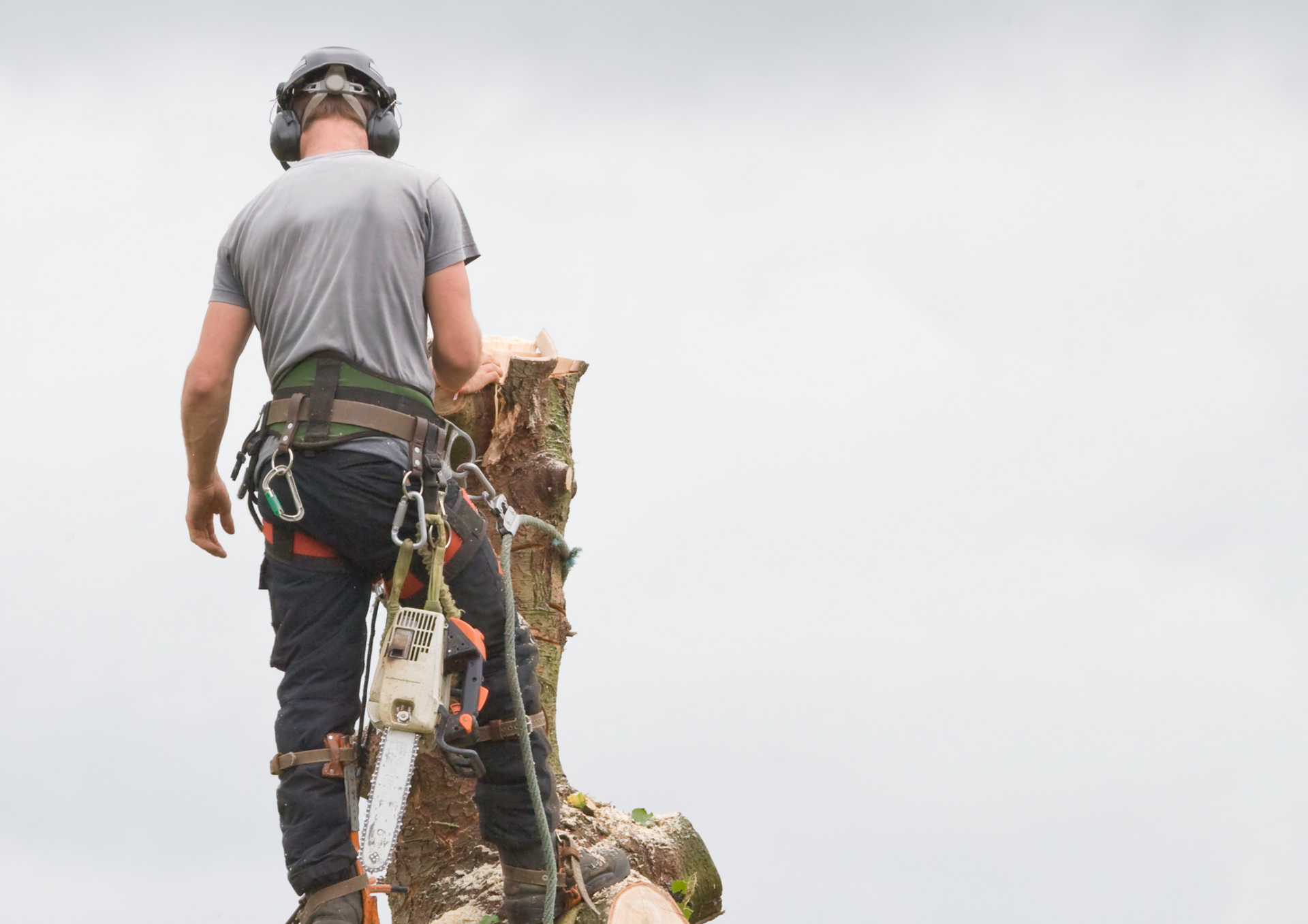
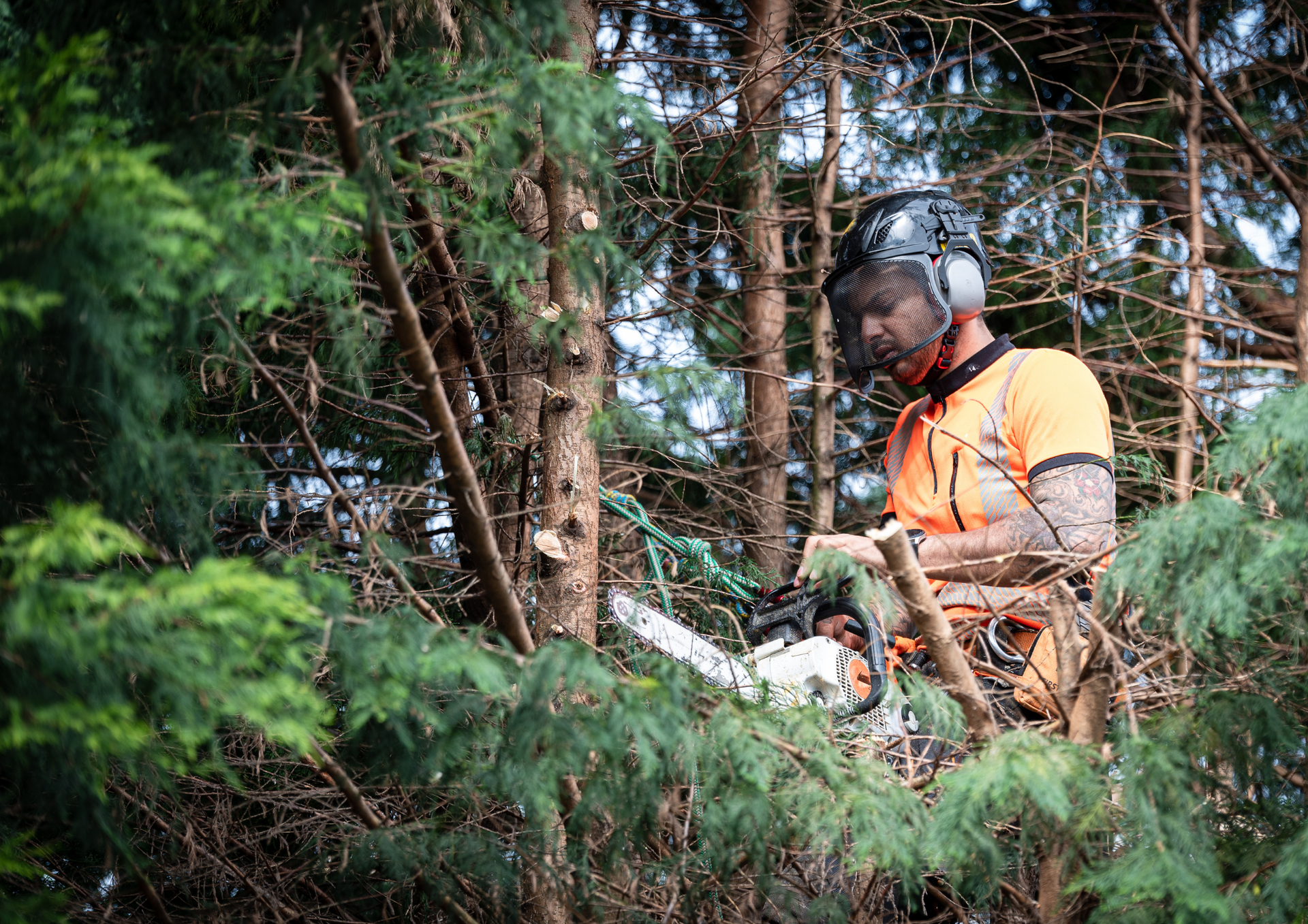
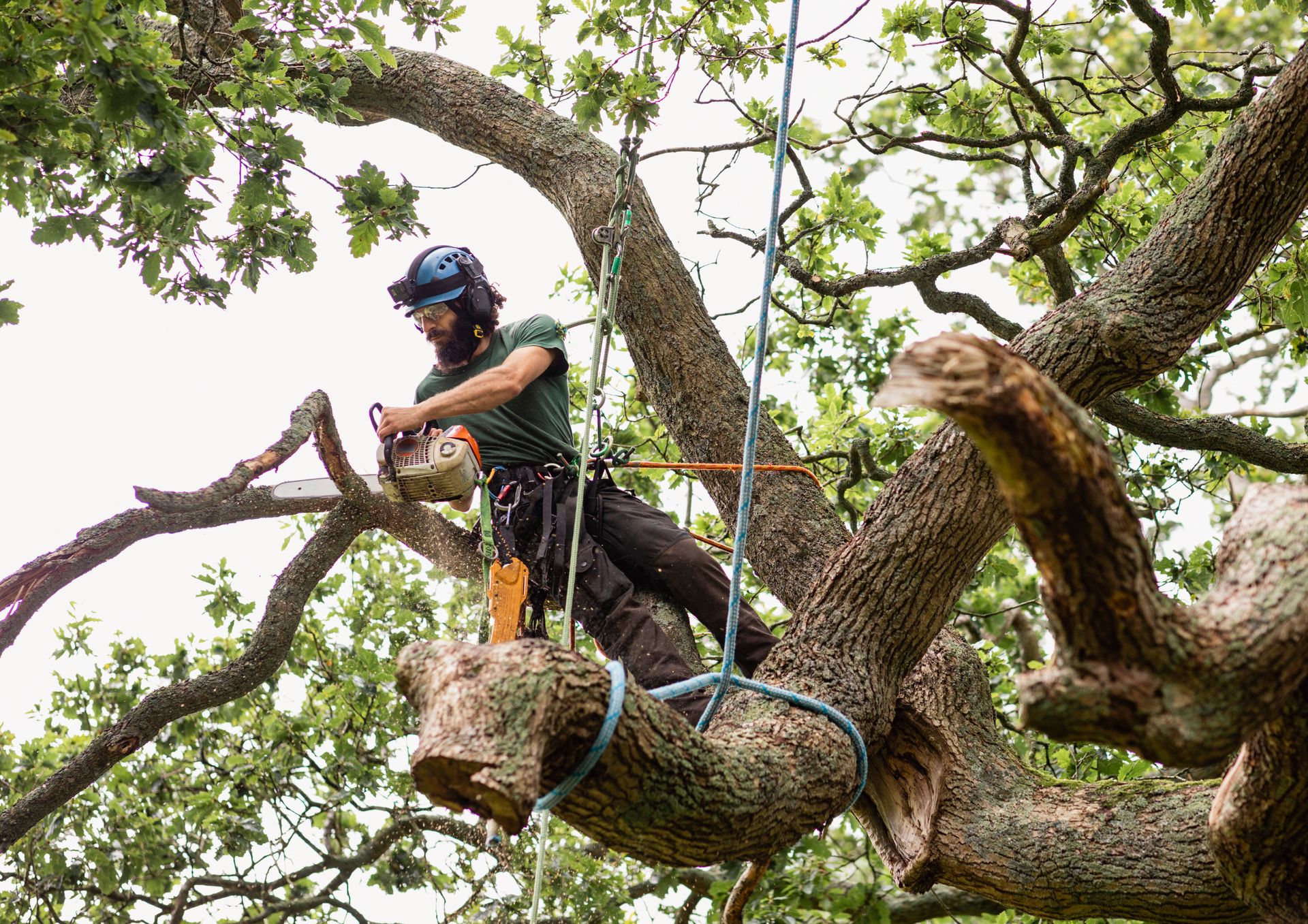
In some cases, selective pruning or crown reduction can remove hazardous limbs while preserving the tree. In others, especially where decay is advanced or root systems are compromised, a full tree cutting service may be required to eliminate the risk entirely. These operations are carefully planned, using specialist equipment and controlled techniques to protect nearby pedestrians, buildings, and underground services.
Once a tree has been felled, attention often turns to the remaining base. Tree stump removal prevents trip hazards, discourages regrowth, and allows the area to be safely reinstated for public use or replanting. This step is particularly important near footpaths, where uneven surfaces can create additional safety concerns.
Ongoing Maintenance and Preventative Care
Taking a proactive approach to tree care plays a key role in reducing safety risks near public areas. Regular monitoring and planned maintenance help address potential problems early, protecting both the public and the long-term health of trees.
- Proactive care helps prevent dangerous situations before they develop.
- Regular inspections allow minor defects or early signs of decay to be identified before they escalate.
- Planned maintenance supports structural balance and overall tree health.
- Routine
tree trimming helps control canopy weight and reduces wind resistance.
- Maintaining clear visibility along footpaths and road crossings improves pedestrian safety.
- Removing dead or diseased growth in a controlled way promotes long-term tree vitality.
- A preventative approach reduces the need for emergency call-outs and disruptive works.
- Responsible maintenance protects the public while supporting a healthier urban tree environment.
At
Tree Surgeon Bradford, we combine professional expertise with a clear understanding of local conditions and safety requirements. Our qualified arborists take a careful, considered approach to every project, ensuring public safety and long-term tree health are balanced responsibly, including when
tree removal is the most appropriate solution. We provide honest assessments, practical advice, and reliable workmanship, giving you confidence that your trees are managed to the highest standards. Whether addressing an urgent concern or planning ongoing care, our team offers dependable support and expert guidance you can trust.
Just out on X: Unsafe trees near footpaths? Tree removal and risk control explained!
You might also like